knowcompoundsfolic acid
Specimen compound organic compoundPlate I
Folic acid

- Formula
- C19H19N7O6
- Molar mass
- 441.404 g/mol
- ChEBI
- CHEBI:27470
- PubChem CID
- 135398658
- InChIKey
- OVBPIULPVIDEAO-LBPRGKRZSA-N
↑ raised 3 findings in 3 endpoints · ↓ lowered 6 in 6 · – no difference found 13 in 11
01 · the evidence, ordered
What the evidence says
- Strong
- 0
- Moderate
- 13
- Limited
- 1
- Very limited
- 8
- Insufficient
- 0
Folic acid
Most findings
- All-site cancer incidence×2
- Colorectal adenoma recurrence after polypectomy×2
- Colorectal cancer incidence×2
- Preterm birth incidence×2
Show the remaining 14Show the first 4
- All-cause mortality×1
- Autism spectrum disorder diagnosis (offspring)×1
- C-reactive protein concentration×1
- Fasting blood glucose×1
- Forced expiratory volume in one second (FEV1)×1
- Gestational age at delivery (length of gestation)×1
- Gestational hypertension incidence×1
- Incidence of cardiovascular disease (composite)×1
- Interleukin-6 concentration×1
- Lung cancer incidence×1
- Mean arterial pressure×1
- Mini-Mental State Examination total score×1
- Montreal Cognitive Assessment total score×1
- Pre-eclampsia incidence×1
31 reference statements, not drawn · 36 compounds on the outer ring, not drawn
Keys
← → round a ring↑ ↓ out and inEnter selecte the outer ringf fit to view+ − zoomEsc clearclick a node to select it
- All-site cancer incidencecontested
- Colorectal cancer incidence
- Preterm birth incidence
- All-cause mortality
- Autism spectrum disorder diagnosis (offspring)
- C-reactive protein concentration
- Fasting blood glucose
- Forced expiratory volume in one second (FEV1)
- Gestational age at delivery (length of gestation)
- Interleukin-6 concentration
- Lung cancer incidence
- Mini-Mental State Examination total score
- Montreal Cognitive Assessment total score
- Colorectal adenoma recurrence after polypectomycontested
- Gestational hypertension incidence
- Incidence of cardiovascular disease (composite)
- Mean arterial pressure
- Pre-eclampsia incidence
Show the remaining 10Show the first 8
02 · contested · 2 endpoints
Where the findings disagree
012 findings
All-site cancer incidence
022 findings
Colorectal adenoma recurrence after polypectomy
03 · findings
What folic acid moved, and by how much
- OR odds ratio · RR risk ratio · HR hazard ratio · SMD standardised mean difference · MD mean difference. Brackets: the interval as reported.
- Dose studied: as its paper gave it.
- Evidence strength: computed from the study. How it is computed
- Industry funding: named on its row.
12 of 22 shown
- Forced expiratory volume in one second (FEV1)Moved: no difference foundEvidence: ModeratePaper: PMID 288846032018
- Who
- Children aged 7 to 10 years at the mid-childhood visit in the Project Viva prospective birth cohort (Massachusetts), by maternal first-trimester folic acid intake from food and supplements (quartiles); whole cohort, not sex-stratified
- Dose studied
- maternal intake from food plus supplements, FFQ, quartiles
There was no association between maternal folic acid intake and post-FEV1 in the total cohort of children.”
Quoted verbatim from Folic Acid in Pregnancy and Childhood Asthma: A US Cohort.cohortPermalink - Autism spectrum disorder diagnosis (offspring)Moved: lowersEffect, as reportedOR0.66[0.55 to 0.79]Evidence: ModeratePaper: PMID 412285122025
- Who
- Offspring of mothers who did or did not take folic acid before and/or during pregnancy, pooled from 24 non-randomised studies (case-control, cohort and cross-sectional)
- Dose studied
- not reported
The MA indicated that maternal folic acid supplementation is associated with a significant reduction in the risk of offspring ASD (pooled OR = 0.66, 95% CI: 0.55–0.79), as shown in the forest plot.”
Quoted verbatim from The Effect of Maternal Folic Acid Supplementation on Neurodevelopmental Disorders in Offspring: An Umbrella Review of Systematic Reviews and Meta-Analyses.meta-analysisPermalink - Montreal Cognitive Assessment total scoreMoved: raisesEvidence: ModeratePaper: PMID 409459662026
- Who
- Adults aged 40-80 years with cerebral small vessel disease-related cognitive impairment, intention-to-treat analysis at 6 months
- Dose studied
- 0.4 mg tablet, two tablets daily, six months
Specifically, total MoCA score (ITT: β = 1.27; 95 % CI = 0.52, 2.03; PP: β = 1.15; 95 % CI = 0.37, 1.93) and total MMSE score (ITT: β = 0.76; 95 % CI = 0.14, 1.39; PP: β = 0.65; 95 % CI = 0.02, 1.28) were improved among patients with CSVD-CI in the FA intervention group compared with those in the placebo group at follow-ups after adjustment of potential confounders.”
Quoted verbatim from Folic acid supplementation improves cognitive function in participants with cerebral small vascular disease-related cognitive impairment: a randomized controlled trial.RCTPermalink - Mini-Mental State Examination total scoreMoved: raisesEvidence: ModeratePaper: PMID 409459662026
- Who
- Adults aged 40-80 years with cerebral small vessel disease-related cognitive impairment, intention-to-treat analysis at 6 months
- Dose studied
- 0.4 mg tablet, two tablets daily, six months
Specifically, total MoCA score (ITT: β = 1.27; 95 % CI = 0.52, 2.03; PP: β = 1.15; 95 % CI = 0.37, 1.93) and total MMSE score (ITT: β = 0.76; 95 % CI = 0.14, 1.39; PP: β = 0.65; 95 % CI = 0.02, 1.28) were improved among patients with CSVD-CI in the FA intervention group compared with those in the placebo group at follow-ups after adjustment of potential confounders.”
Quoted verbatim from Folic acid supplementation improves cognitive function in participants with cerebral small vascular disease-related cognitive impairment: a randomized controlled trial.RCTPermalink - Colorectal cancer incidenceMoved: no difference foundEffect, as reportedRR1[0.82 to 1.22]Evidence: Moderatereplicated ×1Paper: PMID 261317632015
- Who
- Participants in eight randomized controlled trials of folic acid, total population
- Dose studied
- not reported
The results suggested that folic acid treatment was not associated with colorectal cancer risk in the total population (relative risk [RR] = 1.00, 95% confidence interval [CI] = 0.82-1.22, P = 0.974).”
Quoted verbatim from Folic acid supplements and colorectal cancer risk: meta-analysis of randomized controlled trials.meta-analysisPermalink - Preterm birth incidenceMoved: no difference foundEvidence: Moderatereplicated ×1Paper: PMID 355775772022An author is affiliated with a producer
- Who
- Norwegian MoBa cohort pregnancies of women with epilepsy not using antiseizure medication, and of women without epilepsy; periconceptional folic acid use versus none
- Dose studied
- not reported
We found no association between folic acid supplement and preterm birth in the Epilepsy without ASM group or in the No epilepsy group (Table 2).”
Quoted verbatim from Folic Acid and Risk of Preterm Birth, Preeclampsia, and Fetal Growth Restriction Among Women With Epilepsy: A Prospective Cohort Study.cohortPermalink - All-site cancer incidencecontestedMoved: no difference foundEffect, as reportedRR1.06[0.99 to 1.13]Evidence: ModeratePaper: PMID 233525522013An author is affiliated with a producer
- Who
- Adults in 13 randomised trials of folic acid versus placebo (10 trials in people with or at high risk of cardiovascular disease, 3 in patients with prior colorectal adenoma); mean age 64 years
- Dose studied
- 0.5 to 5 mg folic acid daily in all trials but one (40 mg daily); one trial compared 2.5 mg with 0.02 mg
Allocation to folic acid treatment did not have any statistically significant effect on overall cancer incidence, with 1904 (7.7%) first events in 24,799 participants allocated folic acid versus 1809 (7.3%) in 24,822 allocated control (RR 1.06; 95% CI 0.99–1.13, p=0.10: Figure 1).”
Quoted verbatim from Effects of folic acid supplementation on overall and site-specific cancer incidence during the randomised trials: meta-analyses of data on 50,000 individuals.meta-analysisPermalink - All-cause mortalityMoved: no difference foundEvidence: ModeratePaper: PMID 364324342022
- Who
- 1553 postmenopausal women in the Women's Health Initiative diagnosed with invasive breast cancer, who completed a food frequency questionnaire before and after diagnosis; change in dietary folate/folic acid intake from before to after diagnosis, mean follow-up 16.1 years
- Dose studied
- not reported
Furthermore, changes in dietary folate/folic acid or vitamin B12 intake were not associated with all-cause or breast cancer mortality after adjustment of other prognostic and dietary factors (Table 2 and Table 3).”
Quoted verbatim from Changes in Dietary Intake of Methionine, Folate/Folic Acid and Vitamin B12 and Survival in Postmenopausal Women with Breast Cancer: A Prospective Cohort Study.cohortPermalink - Lung cancer incidenceMoved: no difference foundEffect, as reportedHR1.09[0.91 to 1.3]Evidence: ModeratePaper: PMID 308384352020
- Who
- Black and white adults aged 40-79 in the Southern Community Cohort Study, southeastern US; dietary intake of synthetic folic acid from foods (fortification), highest vs lowest quartile, fully-adjusted model
- Dose studied
- dietary food folic acid intake per 1,000 kcal, highest vs lowest quartile (FFQ)
When we further investigated natural dietary folate (“food folate”) and synthetic folic acid (“food folic acid”) intakes from foods separately (Table 4), neither of them were associated with lung cancer risk (food folate: HR=1.00, 95% CI=0.84–1.19, P-trend=0.79; food folic acid: HR=1.09, 95% CI=0.91–1.30, P-trend=0.44).”
Quoted verbatim from Food intake of folate, folic acid and other B vitamins with lung cancer risk in a low-income population in the Southeastern United States.cohortPermalink - Gestational age at delivery (length of gestation)Moved: no difference foundEvidence: ModeratePaper: PMID 387834132024Industry funded
- Who
- Pregnant women in South Australia randomised at 12-16 weeks gestation to a prenatal multivitamin and mineral supplement with 800 µg/day folic acid or the same formulation without folic acid, until 36 weeks; multivitamin and mineral content identical in both arms
- Dose studied
- 800 µg/day folic acid versus 0 µg/day, in a prenatal multivitamin and mineral supplement
There were no significant differences between the groups for birth gestational age, weight and length, except for head circumference, which was lower in the 0 µg FA/day supplement group compared to the 800 µg FA/day group (mean difference: −0.9 cm; 95% CI, −1.8, −0.1, p = 0.04) (Table 2).”
Quoted verbatim from Maternal serum unmetabolized folic acid concentration following multivitamin and mineral supplementation with or without folic acid after 12 weeks gestation: A randomized controlled trial.RCTPermalink - Interleukin-6 concentrationMoved: no difference foundEffect, as reportedSMD−0.04[−1.08 to 1.01]Evidence: ModeratePaper: PMID 386493472024
- Who
- Adults with type 2 diabetes mellitus; two randomized placebo-controlled trials pooled for IL-6
- Dose studied
- not reported
Only two trials assessed the effect of folate on IL-6; the evidence from the random-effect meta-analysis showed a small effect size, and this also not significant, SMD = −0.04, 95%CI (−1.08, 1.01), p = 0.95.”
Quoted verbatim from Folic acid supplementation on inflammation and homocysteine in type 2 diabetes mellitus: systematic review and meta-analysis of randomized controlled trials.meta-analysisPermalink - Fasting blood glucoseMoved: lowersEffect, as reportedMD−2.17[−3.69 to −0.65]Evidence: ModeratePaper: PMID 343718672021
- Who
- Adults in randomized controlled trials of folic acid supplementation (pooled, 24 studies)
- Dose studied
- not reported
Results revealed significant reductions in FBG (weighted mean difference (WMD): -2.17 mg/dL, 95% CI: -3.69, -0.65, p = 0.005), fasting insulin (WMD: -1.63 pmol/L, 95% CI: -2.53, -0.73, p < 0.001), and HOMA-IR (WMD: -0.40, 95% CI: -0.70, -0.09, p = 0.011) following folic acid supplementation.”
Quoted verbatim from Folic Acid Supplementation Improves Glycemic Control for Diabetes Prevention and Management: A Systematic Review and Dose-Response Meta-Analysis of Randomized Controlled Trials.meta-analysisPermalink
No row matches these filters.
No dose is advised.
- OR odds ratio · RR risk ratio · HR hazard ratio · SMD standardised mean difference · MD mean difference. Brackets: the interval as reported.
- Dose studied: as its paper gave it.
- Evidence strength: computed from the study. How it is computed
- Industry funding: named on its row.
04 · identity
Structure
- Charge
- 0
- 2D depiction
- None stored
- SMILES
- Nc1nc(=O)c2nc(CNc3ccc(C(=O)N[C@@H](CCC(=O)O)C(=O)O)cc3)cnc2n1
05 · figures · 1 plate
Plates
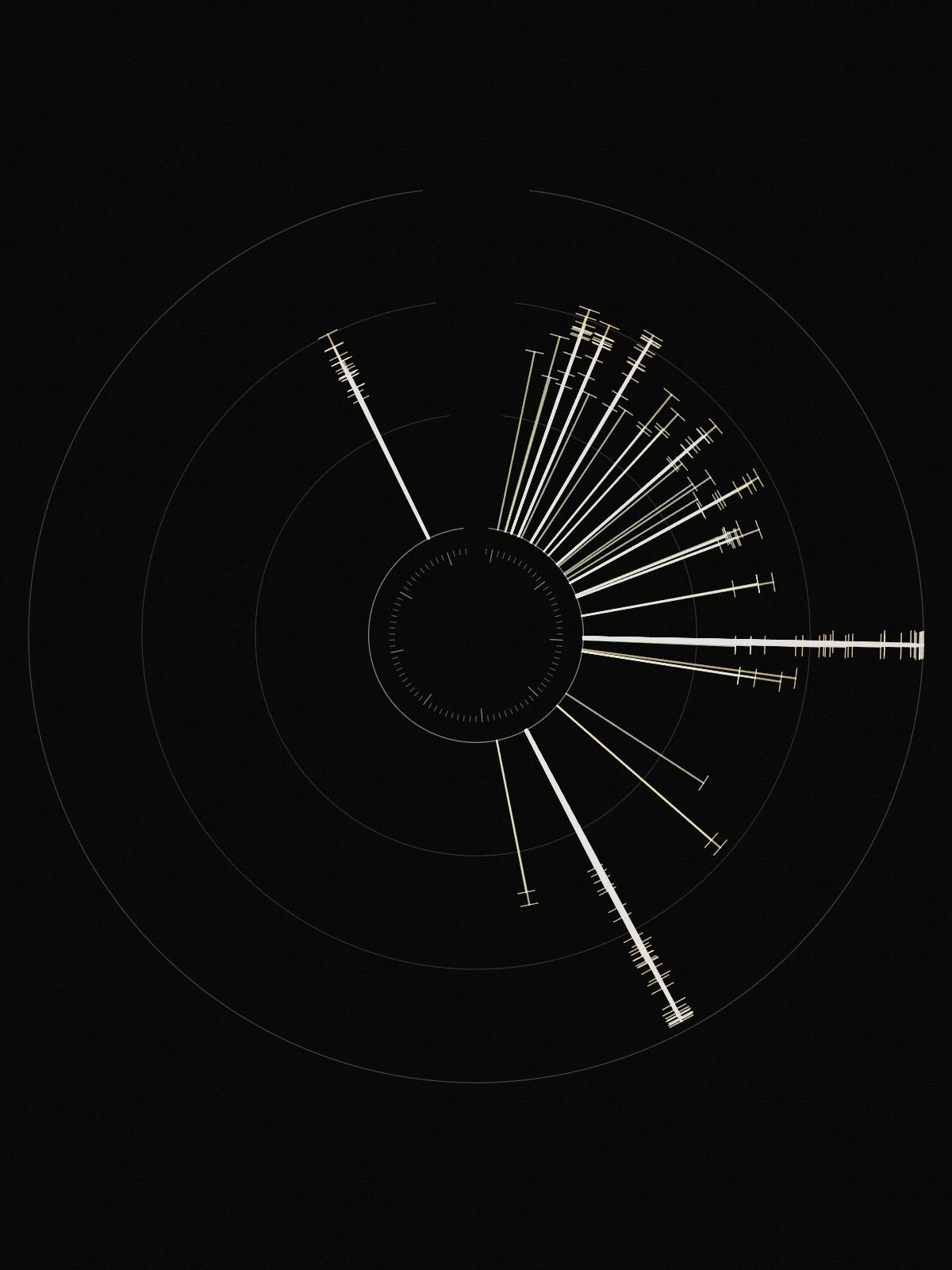
fig. 4Folic acid · MS [M+H]+ LC-ESI-QQQ positive · MassBank MSBNK-RIKEN_NPDepo-CB000144 (Nogawa T, CC BY)
06 · reach
What it touches on the way
15 entities · assembled from reference reactions
- DHFRProtein93 paths · 31 endpointsinferred
- ABCC5Protein22 paths · 11 endpointsinferred
- DHFR2Protein15 paths · 5 endpointsinferred
- ABCC2Protein15 paths · 15 endpointsinferred
- ABCG2Protein14 paths · 14 endpointsinferred
- ABCC4Protein10 paths · 10 endpointsinferred
- FOLR1Protein5 paths · 5 endpointsinferred
- SLC19A1Protein4 paths · 2 endpointsinferred
- SLC46A1Protein4 paths · 2 endpointsinferred
- SLCO1B1Protein3 paths · 2 endpointsinferred
- ABCC1Protein2 paths · 2 endpointsinferred
- SLC22A7Protein2 paths · 2 endpointsinferred
Show the remaining 3Show the first 12
Every entity, on one pageWhere it reaches
12 regions · transporter routes
- Small intestinedigestive4 routesinferred
- Brainnervous3 routesinferred
- Eyenervous3 routesinferred
- Liverdigestive3 routesinferred
- Colon and rectumdigestive2 routesinferred
- Female reproductivereproductive2 routesinferred
- Male reproductivereproductive2 routesinferred
- Mouth and oesophagusdigestive2 routesinferred
- Skeletal musclemusculoskeletal2 routesinferred
- Blood vesselscardiovascular1 routeinferred
- Bone and jointmusculoskeletal1 routeinferred
- Gallbladderdigestive1 routeinferred
What the reference databases state
31Reference statements
What the reference databases state
Evidence keyStatements
31 statements
Sources: Human-GEM, Rhea
- folic acid is converted to 7,8-dihydrofolateCompoundRhea RHEA:31103 · Human-GEM MAR04654, MAR04656, MAR04655Inferred only
- 7,8-dihydrofolate is converted to folic acidCompoundHuman-GEM MAR04654, MAR04655 · Rhea RHEA:31103Inferred only
- folic acid is a substrate of DHFRProteinHuman-GEM MAR04656, MAR04655, MAR04654Inferred only
- folic acid is a substrate of DHFR2ProteinHuman-GEM MAR04655, MAR04654, MAR04656Inferred only
- folic acid is transported by ABCC1ProteinHuman-GEM MAR09882Inferred only
- folic acid is transported by ABCC2ProteinHuman-GEM MAR09882Inferred only
- folic acid is transported by ABCC4ProteinHuman-GEM MAR09882Inferred only
- folic acid is transported by ABCC5ProteinRhea RHEA:66764 · Human-GEM MAR09882Inferred only
- folic acid is transported by ABCG2ProteinHuman-GEM MAR09882Inferred only
- folic acid is transported by FOLR1ProteinHuman-GEM MAR05007Inferred only
- folic acid is transported by FOLR2ProteinHuman-GEM MAR05007Inferred only
- folic acid is transported by FOLR3ProteinHuman-GEM MAR05007Inferred only
Show the remaining 7Show the first 12
17Reactions
08 · on the label · 8,953 products
Labelled products
Source: NIH DSLD · Ingredient: folic acid · 8,953 products · Declared amount per serving (the first 1,000 shown): 1.5–800,000 µg
963 labels of the first 1,000 shown state an amount37 do not
- 1st PhormM-Factor Hero600 µgper 3 capsulesDSLD:12881
- 21st CenturyDiabetic Support Formula800 µgper 3 tabletsDSLD:11189
- 21st CenturyOne Daily Active400 µgper 1 tabletDSLD:11548
- 21st CenturyOne Daily Adults 50+400 µgper 1 tabletDSLD:11549
- 21st CenturyOne Daily Cholesterol Health With Policosanol400 µgper 1 tabletDSLD:11550
- 21st CenturyOne Daily Energy400 µgper 1 tabletDSLD:11552
- 21st CenturyOne Daily Essential400 µgper 1 tabletDSLD:11556
- 21st CenturyOne Daily Maximum400 µgper 1 tabletDSLD:11558
- 21st CenturyOne Daily Men's Health400 µgper 1 tabletDSLD:11559
- 21st CenturyOne Daily Weight Control400 µgper 1 tabletDSLD:11560
- 21st CenturyOne Daily Women's400 µgper 1 tabletDSLD:11561
- 21st CenturyOne Daily Women's 50+400 µgper 1 tabletDSLD:11497
Show the remaining 8,941Show the first 12
Label record: NIH Office of Dietary Supplements · CC0
09 · the record
Sources
2,594
papers screened for folic acid
- admitted
- 23
- read and discarded
- 1,145
- not read yet
- 1,426
Sources cited
20 papers · 22 findings
3 admitted at screening, no finding yet