knowcompoundsthiamine
Specimen compound organic compound, cationPlate I
Thiamine
3-((4-Amino-2-methyl-5-pyrimidinyl)methyl)-5-(2- hydroxyethyl)-4-methylthiazolium chloride.”

432 readings, by contour and atom
- Formula
- C12H17N4OS+
- Molar mass
- 265.362 g/mol
- ChEBI
- CHEBI:18385
- PubChem CID
- 1130
- MeSH
- D013831
- InChIKey
- JZRWCGZRTZMZEH-UHFFFAOYSA-N
↑ raised 1 finding in 1 endpoint · ↓ lowered 12 in 3 · – no difference found 5 in 4
01 · the evidence, ordered
What the evidence says
- Strong
- 0
- Moderate
- 6
- Limited
- 2
- Very limited
- 10
- Insufficient
- 0
Thiamine
Most findings
- All-cause mortality×12
- Intensive care unit length of stay×2
- Fasting blood glucose×1
- Glycated haemoglobin (HbA1c)×1
- Incidence of ICU delirium×1
- Subjective fatigue×1
18 reference statements, not drawn · 36 compounds on the outer ring, not drawn
Keys
← → round a ring↑ ↓ out and inEnter selecte the outer ringf fit to view+ − zoomEsc clearclick a node to select it
- All-cause mortalitycontested
- Fasting blood glucose
- Glycated haemoglobin (HbA1c)
- Intensive care unit length of staycontested
- Incidence of ICU delirium
- Subjective fatigue
02 · contested · 2 endpoints
Where the findings disagree
0112 findings
All-cause mortality
022 findings
Intensive care unit length of stay
03 · findings
What thiamine moved, and by how much
- OR odds ratio · MD mean difference · HR hazard ratio · SMD standardised mean difference. Brackets: the interval as reported.
- Dose studied: as its paper gave it.
- Evidence strength: computed from the study. How it is computed
12 of 18 shown
- All-cause mortalitycontestedMoved: lowersEffect, as reportedOR0.37[0.18 to 0.78]Evidence: Moderatereplicated ×9Paper: PMID 341932352021
- Who
- Critically ill adults with COVID-19 in two ICUs, retrospective cohort; adjunctive thiamine versus none, propensity-score matched (83 pairs); horizon is 30 days
- Dose studied
- not reported
In other words, patients who received thiamine as adjunctive therapy during ICU stay had a lower 30-day mortality rate by 63% [OR (95% CI): 0.37 (0.18, 0.78), P value = 0.009] (Table 1).”
Quoted verbatim from Evaluation of thiamine as adjunctive therapy in COVID-19 critically ill patients: a two-center propensity score matched study.cohortPermalink - Fasting blood glucoseMoved: no difference foundEffect, as reportedMD−0.2[−0.69 to 0.29]Evidence: ModeratePaper: PMID 360080642022
- Who
- Adults with type 2 diabetes; three pooled placebo-controlled trials; follow-up under 3 months
- Dose studied
- not reported
Pooled results from three trials demonstrated no statistically significant difference in the FBG level between those who received thiamine supplementation versus placebo after less than 3 months of follow-up (MD, −0.20 mmol/L; CI: −0.69 to 0.29).”
Quoted verbatim from Effect of thiamine supplementation on glycaemic outcomes in adults with type 2 diabetes: a systematic review and meta-analysis.meta-analysisPermalink - All-cause mortalitycontestedMoved: lowersEvidence: Moderatereplicated ×9Paper: PMID 288509302018
- Who
- Adults with septic shock and alcohol use disorder in an ICU (retrospective, unadjusted comparison); thiamine-treated patients versus patients given no thiamine; routes pooled (68% of initial doses parenteral, remainder oral)
- Dose studied
- most commonly 100 mg per dose
We found a significantly lower mortality for those receiving thiamine compared to those not receiving thiamine (15 [44%] vs. 15 [79%], p = 0.02, Table 2).”
Quoted verbatim from Thiamine in septic shock patients with alcohol use disorders: An observational pilot study.cohortPermalink - All-cause mortalitycontestedMoved: lowersEvidence: Moderatereplicated ×9Paper: PMID 418724382026
- Who
- Adult ICU patients with sepsis-associated delirium (Sepsis-3, MIMIC-IV, liver disease excluded); 332 received thiamine, 956 did not; crude unadjusted analysis, 30-day follow-up
- Dose studied
- not reported
In crude analysis, thiamine use was associated with a lower risk of 30-day mortality.”
Quoted verbatim from Association of thiamine supplementation with 30-day mortality among ICU patients with sepsis-associated delirium.cohort · 4 weeksPermalink - Glycated haemoglobin (HbA1c)Moved: no difference foundEffect, as reportedMD−0.02[−0.35 to 0.31]Evidence: ModeratePaper: PMID 360080642022
- Who
- Adults with type 2 diabetes; two pooled placebo-controlled trials; follow-up under 3 months
- Dose studied
- not reported
Two trials that investigated the effect of thiamine supplementation versus placebo on HbA1c levels demonstrated no statistically significant differences between the groups at less than 3-month follow-up period (mean difference, MD: −0.02%, 95% CI: −0.35 to 0.31).”
Quoted verbatim from Effect of thiamine supplementation on glycaemic outcomes in adults with type 2 diabetes: a systematic review and meta-analysis.meta-analysisPermalink - All-cause mortalitycontestedMoved: lowersEffect, as reportedHR0.8[0.67 to 0.94]Evidence: Moderatereplicated ×9Paper: PMID 396143572024
- Who
- Adult ICU patients with sepsis or septic shock at two Swiss university hospitals, 2012-2022; B1 group (n = 1054) versus control group on standard treatment without B1 or ascorbic acid (n = 2183); oral and intravenous thiamine pooled; all clusters combined; all-cause in-hospital mortality
- Dose studied
- not reported
Overall in-hospital mortality was not the same across the three treatment groups, with a lower mortality observed in patients in group B1 compared to the control group (hazard ratio 0.8, 95% confidence interval [0.67;0.94], p = 0.008, Fig. 1 and Supplementary Fig. 2).”
Quoted verbatim from Differential effects of thiamine and ascorbic acid in clusters of septic patients identified by latent variable analysis.cohortPermalink - All-cause mortalitycontestedMoved: lowersEvidence: Limitedreplicated ×9Paper: PMID 362594602023
- Who
- Adults with Sepsis-3 in the MIMIC-IV intensive care database, retrospective cohort; intravenous thiamine in ICU versus none; confounder-adjusted Cox model; horizon is ICU stay
- Dose studied
- not reported
In comparison with the TUR group, the TR group had a statistically significantly lower risk of ICU mortality.”
Quoted verbatim from Thiamine supplementation may be associated with improved prognosis in patients with sepsis.cohortPermalink - All-cause mortalitycontestedMoved: lowersEffect, as reportedHR0.82[0.69 to 0.98]Evidence: Limitedreplicated ×9Paper: PMID 411847852025
- Who
- Critically ill patients with cerebrovascular disease in the MIMIC-IV database, propensity-score-matched thiamine users and non-users (1,585 matched pairs); 28-day all-cause mortality shown
- Dose studied
- not reported
With 1,585 matched pairs post-PSM, thiamine administration showed a significant association with decreased mortality at 7 days (HR = 0.68, 95%CI: 0.53-0.89, P = 0.004), 14 days (HR = 0.78, 95%CI: 0.64-0.96, P = 0.016), and 28 days (HR = 0.82, 95%CI: 0.69-0.98, P = 0.028) compared with non-thiamine use after adjustment.”
Quoted verbatim from Thiamine use and short-term prognosis in critical cerebrovascular disease: a propensity score matched retrospective analysis from the MIMIC-IV database.cohort · 4 weeksPermalink - All-cause mortalitycontestedMoved: lowersEvidence: Very limitedreplicated ×9Paper: PMID 422519132026
- Who
- Critically ill adults with sepsis-associated acute respiratory failure in the MIMIC-IV database; thiamine supplementation versus no thiamine, retrospective
- Dose studied
- not reported
Thiamine supplementation was independently associated with reduced in-hospital and ICU mortality in critically ill patients with sepsis-associated acute respiratory failure, particularly in the elderly.”
Quoted verbatim from The association between thiamine use and mortality in critically ill patients with sepsis-associated acute respiratory failure: A retrospective analysis of the MIMIC-IV database.cohortPermalink - Incidence of ICU deliriumMoved: lowersEffect, as reportedOR0.58[0.34 to 0.98]Evidence: Very limitedPaper: PMID 341185012021
- Who
- Critically ill patients; RCT-only subset of a meta-analysis that also pooled cohort studies, thiamine versus standard of care
- Dose studied
- not reported
In the analysis of RCTs, thiamine supplementation showed 42% lower odds of developing ICU delirium (OR 0.58, 95% CI, 0.34-0.98).”
Quoted verbatim from Effect of thiamine supplementation in critically ill patients: A systematic review and meta-analysis.meta-analysisPermalink - All-cause mortalitycontestedMoved: no difference foundEffect, as reportedOR0.87[0.62 to 1.21]Evidence: Very limitedreplicated ×1Paper: PMID 330368542020
- Who
- Patients with septic shock; pooled four randomized controlled trials of intravenous thiamine
- Dose studied
- not reported
Overall, compared with control group in patients with septic shock, intravenous thiamine revealed no substantial impact on mortality (odd ratio [OR] = 0.87; 95% confidence interval [CI) = 0.62 to 1.21; P = 0.40), lactate change (standard mean difference [SMD] = 0.04; 95% CI = -0.28 to 0.35; P = 0.82), Sequential Organ Failure Assessment (SOFA) change (SMD = 0.02; 95% CI = -0.18 to 0.21; P = 0.87), intensive care unit (ICU) stay (SMD = -0.02; 95% CI = -0.33 to 0.30; P = 0.90) or renal replacement therapy (OR = 0.47; 95% CI = 0.07 to 3.15; P = 0.43).”
Quoted verbatim from Intravenous thiamine for septic shock: A meta-analysis of randomized controlled trials.meta-analysisPermalink - Intensive care unit length of staycontestedMoved: raisesEffect, as reportedMD0.4[0.01 to 0.79]Evidence: Very limitedPaper: PMID 393070942024
- Who
- Critically ill patients; meta-analysis of randomized controlled trials of intravenous thiamine
- Dose studied
- not reported
Conversely, thiamine administration resulted in a slight increase in the length of ICU stay (MD, 0.40 days; 95% CI, 0.01-0.79 days; High CoE).”
Quoted verbatim from Effect of intravenous thiamine administration on critically ill patients: A systematic review and meta-analysis of randomized controlled trials.meta-analysisPermalink
No row matches these filters.
No dose is advised.
- OR odds ratio · MD mean difference · HR hazard ratio · SMD standardised mean difference. Brackets: the interval as reported.
- Dose studied: as its paper gave it.
- Evidence strength: computed from the study. How it is computed
04 · identity
Structure
- Charge
- +1
- SMILES
- Cc1ncc(C[n+]2csc(CCO)c2C)c(N)n1
05 · figures · 2 plates
Plates
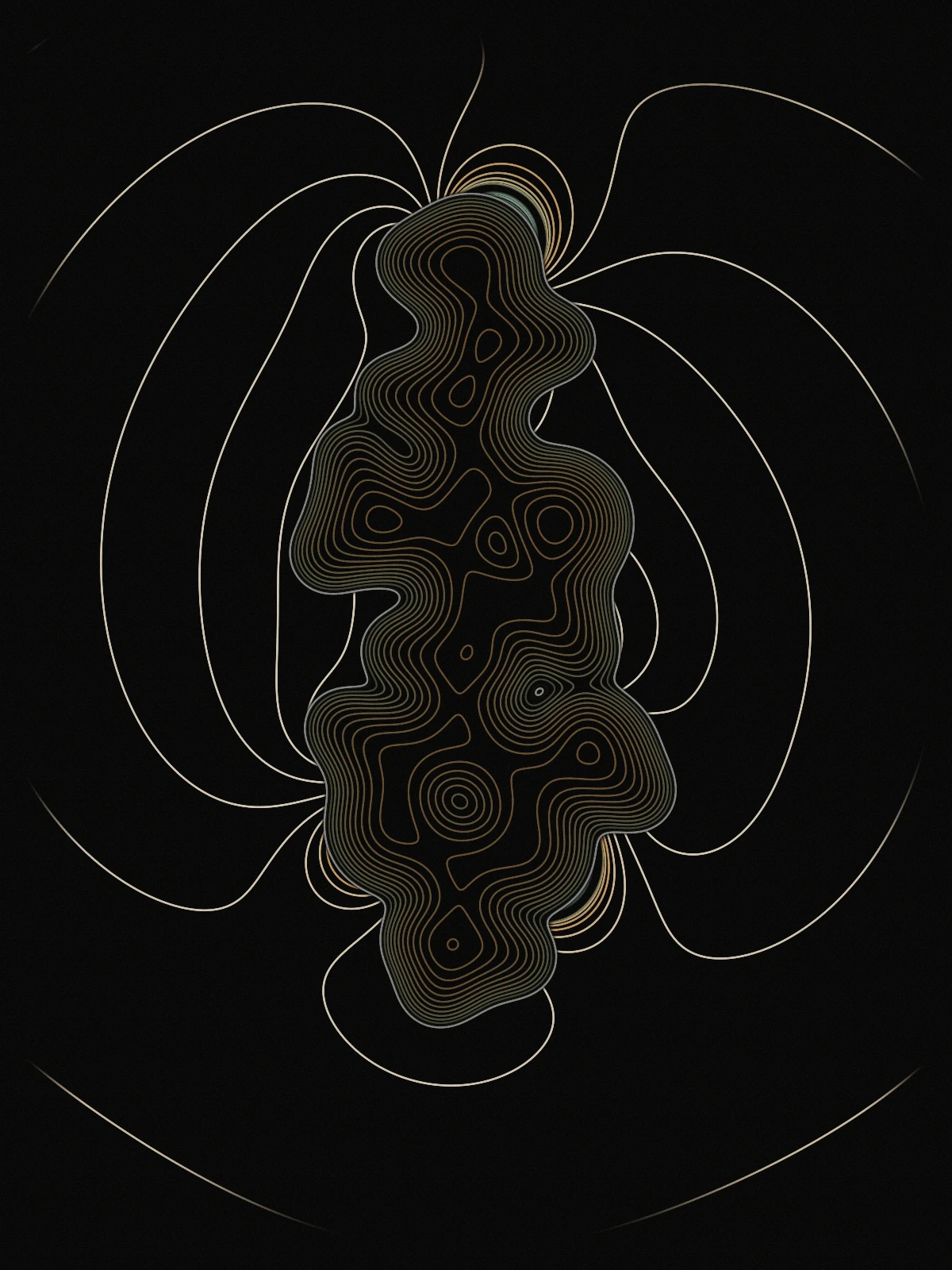
fig. 6Thiamine · electrostatic potential, molecular plane · PubChem CID 1130, computed 3D conformer 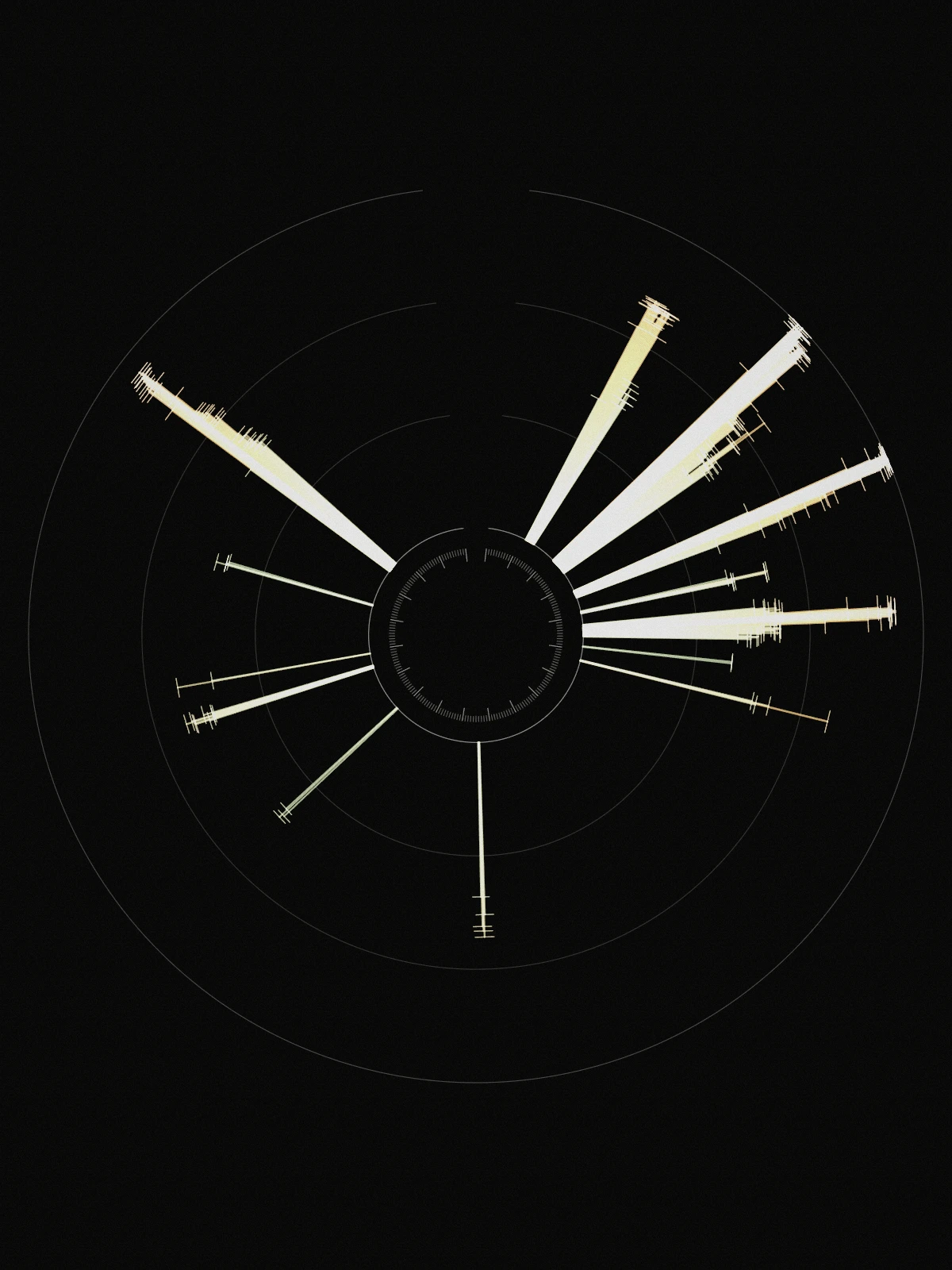
fig. 7Thiamine · MS [M]+ LC-ESI-QQQ positive · MassBank MSBNK-RIKEN_NPDepo-CB000299 (Nogawa T, CC BY)
06 · reach
What it touches on the way
7 entities · assembled from reference reactions
Where it reaches
8 regions · transporter routes
- Female reproductivereproductive2 routesinferred
- Liverdigestive2 routesinferred
- Adrenal glandendocrine1 routeinferred
- Airway and sinusesrespiratory1 routeinferred
- Colon and rectumdigestive1 routeinferred
- Kidneyurinary1 routeinferred
- Lungrespiratory1 routeinferred
- Small intestinedigestive1 routeinferred
What the reference databases state
18Reference statements
What the reference databases state
Evidence keyRegulatory determinations
LiverTox likelihood score ELiverTox
LiverTox Likelihood Score E — despite extensive use, no evidence that the agent has caused liver injury. Chapter: "Vitamin B". Source: LiverTox Master List (NBK571102).
The document·Public Domain (NLM/NIH)·Transcribed, not assessed
Statements
18 statements
2 of 3 reference databases · Sources: Human-GEM, Rhea
- Thiamine diphosphate is converted to thiamineCompoundRhea RHEA:11576Inferred only
- thiamine is converted to thiamine diphosphateCompoundRhea RHEA:11576, RHEA:79423Inferred only
- thiamine is converted to thiamine(1+) diphosphateCompoundHuman-GEM MAR04204Inferred only
- thiamine is a substrate of TPK1ProteinHuman-GEM MAR04204 · Rhea RHEA:79423Inferred only
- thiamine is transported by SLC19A2ProteinHuman-GEM MAR06059, MAR11433 · Rhea RHEA:71271Inferred only
- thiamine is transported by SLC19A3ProteinHuman-GEM MAR11433, MAR06059 · Rhea RHEA:71271Inferred only
- thiamine is transported by SLC22A1ProteinRhea RHEA:34919Inferred only
- thiamine is transported by SLC22A15ProteinRhea RHEA:34919Inferred only
- thiamine is transported by SLC22A2ProteinRhea RHEA:34919Inferred only
- thiamine is transported by SLC35F3ProteinRhea RHEA:34919Inferred only
- thiamine is transported by SLC47A1ProteinRhea RHEA:71271Inferred only
- thiamine is transported by SLC47A2ProteinRhea RHEA:71271Inferred only
18Reactions
08 · on the label · 9,891 products
Labelled products
Source: NIH DSLD · Ingredient: thiamine · 9,891 products · Declared amount per serving (the first 1,000 shown): 0.02–500 mg
964 labels of the first 1,000 shown state an amount36 do not
- 1st PhormM-Factor HeroThiamin, as Thiamine Mononitrate, Vitamin B150 mgper 3 capsulesDSLD:12881
- 21 Super-VitaVitamins With Minerals Tablets (21 Vitamins And Minerals)2.5 mgper 1 tabletDSLD:13537
- 21st CenturyDiabetic Support FormulaThiamine Mononitrate1.5 mgper 3 tabletsDSLD:11189
- 21st CenturyOne Daily ActiveThiamin, Thiamine Mononitrate, as Thiamin Mononitrate4.5 mgper 1 tabletDSLD:11548
- 21st CenturyOne Daily Adults 50+Thiamin, Thiamine Mononitrate, as Thiamin Mononitrate4.5 mgper 1 tabletDSLD:11549
- 21st CenturyOne Daily Cholesterol Health With PolicosanolVitamin B11.5 mgper 1 tabletDSLD:11550
- 21st CenturyOne Daily EnergyThiamin, Thiamine Mononitrate, as Thiamin Mononitrate3 mgper 1 tabletDSLD:11552
- 21st CenturyOne Daily EssentialThiamin, Thiamine Mononitrate, as Thiamin Mononitrate1.5 mgper 1 tabletDSLD:11556
- 21st CenturyOne Daily MaximumThiamin, Thiamine Mononitrate, as Thiamin Mononitrate1.5 mgper 1 tabletDSLD:11558
- 21st CenturyOne Daily Men's HealthThiamin, Thiamine Mononitrate, as Thiamin Mononitrate1.2 mgper 1 tabletDSLD:11559
- 21st CenturyOne Daily Weight ControlThiamin, Thiamine Mononitrate, as Thiamin Mononitrate1.9 mgper 1 tabletDSLD:11560
- 21st CenturyOne Daily Women'sThiamin, Thiamine Mononitrate, as Thiamin Mononitrate1.5 mgper 1 tabletDSLD:11561
Show the remaining 9,879Show the first 12
Label record: NIH Office of Dietary Supplements · CC0
09 · the record
Sources
512
papers screened for thiamine
- admitted
- 17
- read and discarded
- 376
- not read yet
- 119
Sources cited
16 papers · 18 findings
1 admitted at screening, no finding yet
Show every paper citedHide the papers cited
Other names · 10
3-(4-AMINO-2-METHYL-PYRIMIDIN-5-YLMETHYL)-5-(2-HYDROXY-ETHYL)-4-METHYL-THIAZOL-3-IUM · Aneurin · Antiberiberi factor · Thiamin · thiamine cation · thiamine ion · thiamine(1+) ion · thiaminium · Vitamin B1
systematic · 3-[(4-amino-2-methylpyrimidin-5-yl)methyl]-5-(2-hydroxyethyl)-4-methyl-1,3-thiazol-3-ium