knowcompoundspyridoxine
Specimen compound organic compoundPlate I
Pyridoxine
- Formula
- C8H11NO3
- Molar mass
- 169.18 g/mol
- ChEBI
- CHEBI:16709
- PubChem CID
- 1054
- InChIKey
- LXNHXLLTXMVWPM-UHFFFAOYSA-N
↓ lowered 8 findings in 6 endpoints · – no difference found 7 in 5
01 · the evidence, ordered
What the evidence says
- Strong
- 0
- Moderate
- 0
- Limited
- 0
- Very limited
- 13
- Insufficient
- 2
Pyridoxine
Most findings
- Colorectal cancer incidence×5
- Breast cancer incidence×3
- All-site cancer incidence×1
- Beck Depression Inventory (BDI) total score×1
Show the remaining 5Show the first 4
- Incidence of coronary heart disease×1
- Incidence of stroke×1
- Pancreatic cancer incidence×1
- Parkinson's disease incidence×1
- Pre-eclampsia incidence×1
18 reference statements, not drawn · 36 compounds on the outer ring, not drawn
Keys
← → round a ring↑ ↓ out and inEnter selecte the outer ringf fit to view+ − zoomEsc clearclick a node to select it
- Colorectal cancer incidencecontested
- Breast cancer incidencecontested
- All-site cancer incidence
- Beck Depression Inventory (BDI) total score
- Incidence of coronary heart disease
- Incidence of stroke
- Pancreatic cancer incidence
- Parkinson's disease incidence
- Pre-eclampsia incidence
Show the remaining 1Show the first 8
02 · contested · 2 endpoints
Where the findings disagree
015 findings
Colorectal cancer incidence
023 findings
Breast cancer incidence
03 · findings
What pyridoxine moved, and by how much
- HR hazard ratio · RR risk ratio. Brackets: the interval as reported.
- Dose studied: as its paper gave it.
- Evidence strength: computed from the study. How it is computed
12 of 15 shown
- Parkinson's disease incidenceMoved: lowersEffect, as reportedHR0.69[0.5 to 0.96]Evidence: Very limitedPaper: PMID 168648262006
- Who
- Community-dwelling adults aged 55 years and older, free of dementia and parkinsonism at baseline (Rotterdam Study); dietary intake by food frequency assessment
- Dose studied
- dietary vitamin B6 intake, per SD
Higher dietary intake of vitamin B6 was associated with a significantly decreased risk of PD (hazard ratio per SD, 0.69 [95% CI 0.50 to 0.96]; for highest vs lowest tertile, 0.46 [0.22 to 0.96]).”
Quoted verbatim from Dietary folate, vitamin B12, and vitamin B6 and the risk of Parkinson disease.cohortPermalink - Beck Depression Inventory (BDI) total scoreMoved: lowersEvidence: Very limitedPaper: PMID 351097632023
- Who
- Healthy college women aged 18-25 using oral contraceptives, randomised double-blind crossover
- Dose studied
- 100 mg vitamin B6 daily versus placebo, 4-week periods separated by a 4-week washout
BDI-II scores were reduced 20% by vitamin B6 supplementation in comparison to an 11% rise with placebo ingestion (p = 0.046).”
Quoted verbatim from Vitamin B6 Supplementation Reduces Symptoms of Depression in College Women Taking Oral Contraceptives: A Randomized, Double-Blind Crossover Trial.crossover · 4 weeksPermalink - Incidence of strokeMoved: no difference foundEvidence: Very limitedPaper: PMID 182703692008
- Who
- Male Finnish smokers aged 50-69 years in the Alpha-Tocopherol, Beta-Carotene Cancer Prevention Study; dietary vitamin B6 intake by food frequency questionnaire
- Dose studied
- not reported
Vitamin B(6), vitamin B(12), and methionine intakes were not significantly associated with any subtype of stroke.”
Quoted verbatim from Folate, vitamin B6, vitamin B12, and methionine intakes and risk of stroke subtypes in male smokers.cohortPermalink - Colorectal cancer incidencecontestedMoved: no difference foundEvidence: Very limitedreplicated ×1Paper: PMID 163390552006
- Who
- US women aged 45 years or older, free of cancer and cardiovascular disease at baseline, enrolled in a randomized aspirin and vitamin E trial; total vitamin B6 intake from diet plus supplements, highest versus lowest quintile
- Dose studied
- not reported
Total folate and vitamin B(6) intakes were not significantly associated with the risk of colorectal cancer.”
Quoted verbatim from Folate, vitamin B6, multivitamin supplements, and colorectal cancer risk in women.cohortPermalink - Incidence of coronary heart diseaseMoved: lowersEvidence: Very limitedPaper: PMID 304313282019
- Who
- General population, eleven prospective cohort studies; dietary intake gradient
- Dose studied
- not reported
In conclusion, higher intake of folate and vitamin B6 is associated with a lower risk of CHD in the general population.”
Quoted verbatim from Intake of vitamin B6, folate, and vitamin B12 and risk of coronary heart disease: a systematic review and dose-response meta-analysis of prospective cohort studies.meta-analysisPermalink - Colorectal cancer incidencecontestedMoved: lowersEvidence: Very limitedreplicated ×2Paper: PMID 193365552009
- Who
- Men in the Physicians' Health Study; nested case-control (197 incident colorectal cancer cases, 371 matched controls), prediagnostic plasma PLP by quartile
- Dose studied
- not reported
Plasma PLP levels were inversely associated with colorectal cancer risk; a lower risk of colorectal cancer was observed mainly among participants in the two higher quartiles.”
Quoted verbatim from Prospective study of plasma vitamin B6 and risk of colorectal cancer in men.case-controlPermalink - Pre-eclampsia incidenceMoved: no difference foundEvidence: Very limitedPaper: PMID 166255302006
- Who
- Pregnant women; oral vitamin B6 as capsules or lozenges versus non-supplemented groups
- Dose studied
- not reported
We did not find any statistically significant differences in the risk of eclampsia (capsules: n = 1242; three trials; lozenges: n = 944; one trial), pre-eclampsia (capsules n = 1197; two trials; lozenges: n = 944; one trial) or low Apgar scores at one minute (oral pyridoxine: n = 45; one trial), between supplemented and non-supplemented groups.”
Quoted verbatim from Pyridoxine (vitamin B6) supplementation in pregnancy.meta-analysisPermalink - All-site cancer incidenceMoved: lowersEffect, as reportedRR0.78[0.73 to 0.84]Evidence: Very limitedPaper: PMID 283762002017
- Who
- Observational studies; highest versus lowest dietary (food only) vitamin B6 intake; total intake (food and supplements) gave weaker or null associations
- Dose studied
- not reported
High intake of dietary (food only) vitamin B6 was statistically significantly associated with lower risk of all cancers (relative risk [RR] = 0.78, 95% CI = 0.73 to 0.84) and specific tumors, with special regard to gastrointestinal carcinomas (RR = 0.68, 95% CI = 0.61 to 0.75).”
Quoted verbatim from Vitamin B6 and Cancer Risk: A Field Synopsis and Meta-Analysis.meta-analysisPermalink - Breast cancer incidencecontestedMoved: no difference foundEvidence: Very limitedreplicated ×1Paper: PMID 193892612009
- Who
- Brazilian women in a hospital-based case-control study (458 age-matched pairs), energy-adjusted dietary intake by tertile, all women
- Dose studied
- not reported
Using the lowest tertile intake of folate, vitamin B6, and vitamin B12 as reference, no statistically significant association was observed between vitamin intake and breast cancer risk in all women (Table 2).”
Quoted verbatim from Dietary intake of folate, vitamin B6, and vitamin B12, genetic polymorphism of related enzymes, and risk of breast cancer: a case-control study in Brazilian women.case-controlPermalink - Pancreatic cancer incidenceMoved: no difference foundEvidence: Very limitedPaper: PMID 172418652007
- Who
- Swedish women and men aged 45-83 years free from cancer at baseline, prospective population-based cohort; dietary or total vitamin B6 intake by food-frequency questionnaire
- Dose studied
- not reported
Methionine intake was significantly inversely associated with risk of pancreatic cancer, whereas no significant association was observed for dietary or total vitamin B(6) intake.”
Quoted verbatim from Methionine and vitamin B6 intake and risk of pancreatic cancer: a prospective study of Swedish women and men.cohortPermalink - Breast cancer incidencecontestedMoved: no difference foundEvidence: Very limitedreplicated ×1Paper: PMID 198389162009
- Who
- Japanese women: hospital-based case-control study of patients with invasive breast cancer and age- and area-matched controls from medical checkup examinees; dietary intake by food frequency questionnaire
- Dose studied
- not reported
Neither dietary intake of folate, vitamin B2, vitamin B6, or vitamin B12 nor polymorphisms of MTHFR or MTR genes were significantly associated with breast cancer risk.”
Quoted verbatim from Dietary intake of folate, vitamin B2, vitamin B6, vitamin B12, genetic polymorphism of related enzymes, and risk of breast cancer: a case-control study in Japan.case-controlPermalink - Colorectal cancer incidencecontestedMoved: lowersEvidence: Very limitedreplicated ×2Paper: PMID 159406182005
- Who
- Women aged 40 to 76 years without prior cancer in the Swedish Mammography Cohort; dietary vitamin B6 intake by food-frequency questionnaire
- Dose studied
- long-term dietary vitamin B6 intake, quintiles
After controlling for age and other potential confounders, long-term intake of dietary vitamin B6 was significantly inversely associated with risk of colorectal cancer (P value for trend = .002).”
Quoted verbatim from Vitamin B6 intake, alcohol consumption, and colorectal cancer: a longitudinal population-based cohort of women.cohortPermalink
No row matches these filters.
No dose is advised.
- HR hazard ratio · RR risk ratio. Brackets: the interval as reported.
- Dose studied: as its paper gave it.
- Evidence strength: computed from the study. How it is computed
04 · identity
Structure
- Charge
- 0
- SMILES
- Cc1ncc(CO)c(CO)c1O
05 · figures · 1 plate
Plates
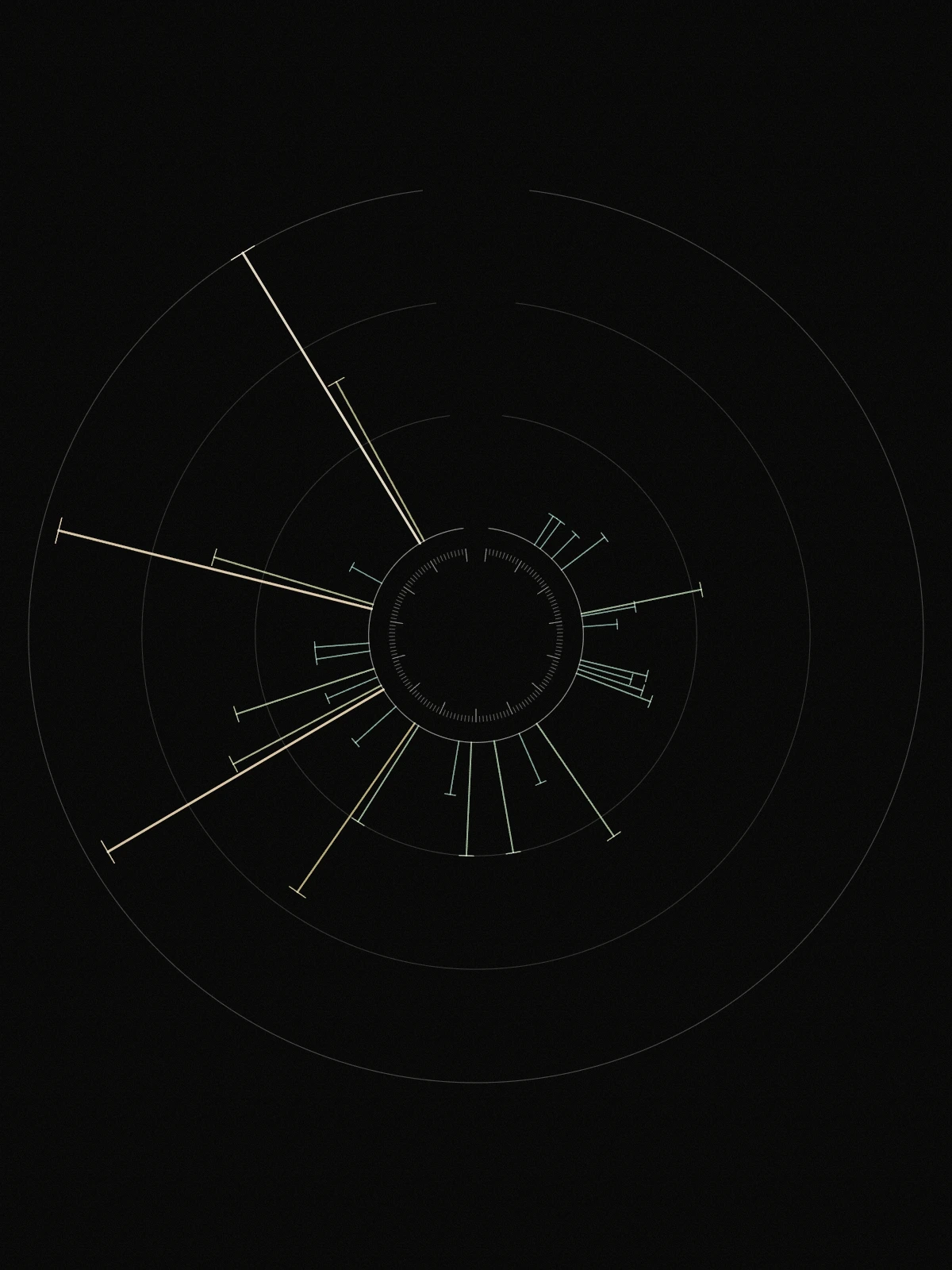
fig. 5Pyridoxine · MS2 [M+H]+ LC-ESI-QFT positive · MassBank MSBNK-ACES_SU-AS000477 (ACESx, CC BY)
What the reference databases state
18Reference statements
What the reference databases state
Evidence keyChemical structure
- Pyridoxine 5'-phosphate has the functional parent pyridoxineCompoundChEBI CHEBI:28803Inferred only
Statements
18 statements
2 of 3 reference databases · Sources: Human-GEM, Rhea
- Pyridoxal is converted to pyridoxineCompoundRhea RHEA:52684, RHEA:15033, RHEA:16129 · Human-GEM MAR04071Inferred only
- pyridoxine is converted to pyridoxalCompoundHuman-GEM MAR04071 · Rhea RHEA:15033, RHEA:16129, RHEA:52684Inferred only
- Pyridoxine 5'-phosphate is converted to pyridoxineCompoundHuman-GEM MAR08725 · Rhea RHEA:25112Inferred only
- pyridoxine is converted to pyridoxine 5'-phosphateCompoundRhea RHEA:25108 · Human-GEM MAR04066Inferred only
- pyridoxine is a substrate of PDXKProteinRhea RHEA:25108 · Human-GEM MAR04066Inferred only
- pyridoxine is a substrate of PNPOProteinHuman-GEM MAR04071Inferred only
- pyridoxine is transported by SLC19A2ProteinRhea RHEA:76203Inferred only
- pyridoxine is transported by SLC19A3ProteinRhea RHEA:76203Inferred only
- pyridoxine is transported by SLC49A4ProteinRhea RHEA:76203Inferred only
14Reactions
08 · on the label · 11,710 products
Labelled products
Source: NIH DSLD · Ingredient: pyridoxine · 11,710 products · Declared amount per serving (the first 1,000 shown): 0.001–180 mg
972 labels of the first 1,000 shown state an amount28 do not
- 1st PhormM-Factor HeroVitamin B6, Pyridoxine Hydrochloride, as pyridoxine hcl50 mgper 3 capsulesDSLD:12881
- 21st CenturyDiabetic Support FormulaVitamin B6, Pyridoxine Hydrochloride, as Pyridoxine HCl3 mgper 3 tabletsDSLD:11189
- 21st CenturyOne Daily ActiveVitamin B6, Pyridoxine Hydrochloride, as Pyridoxine HCl6 mgper 1 tabletDSLD:11548
- 21st CenturyOne Daily Adults 50+Vitamin B6, Pyridoxine Hydrochloride, as Pyridoxine HCl6 mgper 1 tabletDSLD:11549
- 21st CenturyOne Daily Cholesterol Health With PolicosanolVitamin B6, Pyridoxine Hydrochloride, as Pyridoxine HCl2 mgper 1 tabletDSLD:11550
- 21st CenturyOne Daily EnergyVitamin B6, Pyridoxine Hydrochloride, as Pyridoxine HCl4 mgper 1 tabletDSLD:11552
- 21st CenturyOne Daily EssentialVitamin B6, Pyridoxine Hydrochloride, as Pyridoxine HCl2 mgper 1 tabletDSLD:11556
- 21st CenturyOne Daily MaximumVitamin B6, Pyridoxine Hydrochloride, as Pyridoxine HCl2 mgper 1 tabletDSLD:11558
- 21st CenturyOne Daily Men's HealthVitamin B6, Pyridoxine Hydrochloride, as Pyridoxine HCl3 mgper 1 tabletDSLD:11559
- 21st CenturyOne Daily Weight ControlVitamin B6, Pyridoxine Hydrochloride, as Pyridoxine HCl2.5 mgper 1 tabletDSLD:11560
- 21st CenturyOne Daily Women'sVitamin B6, Pyridoxine Hydrochloride, as Pyridoxine HCl2 mgper 1 tabletDSLD:11561
- 21st CenturyOne Daily Women's 50+Vitamin B6, Pyridoxine Hydrochloride, as Pyridoxine HCl6 mgper 1 tabletDSLD:11497
Show the remaining 11,698Show the first 12
Label record: NIH Office of Dietary Supplements · CC0
09 · the record
Sources
586
papers screened for pyridoxine
- admitted
- 17
- read and discarded
- 424
- not read yet
- 145
Sources cited
15 papers · 15 findings
2 admitted at screening, no finding yet