knowcompoundslycopene
Specimen compound organic compoundPlate I
Lycopene
- Formula
- C40H56
- Molar mass
- 536.888 g/mol
- ChEBI
- CHEBI:15948
- InChIKey
- OAIJSZIZWZSQBC-GYZMGTAESA-N
↑ raised 2 findings in 2 endpoints · ↓ lowered 11 in 9 · – no difference found 2 in 2
01 · the evidence, ordered
What the evidence says
- Strong
- 0
- Moderate
- 6
- Limited
- 2
- Very limited
- 6
- Insufficient
- 1
Lycopene
Most findings
- Prostate cancer incidence×3
- Gastric cancer incidence×2
- Birth weight×1
- Flow-mediated dilation×1
Show the remaining 8Show the first 4
- Fasting blood glucose×1
- Glycated haemoglobin (HbA1c)×1
- Hip fracture incidence×1
- Incidence of stroke×1
- Interleukin-6 concentration×1
- Non-vertebral fracture incidence×1
- Serum creatine kinase activity×1
- Serum prostate-specific antigen×1
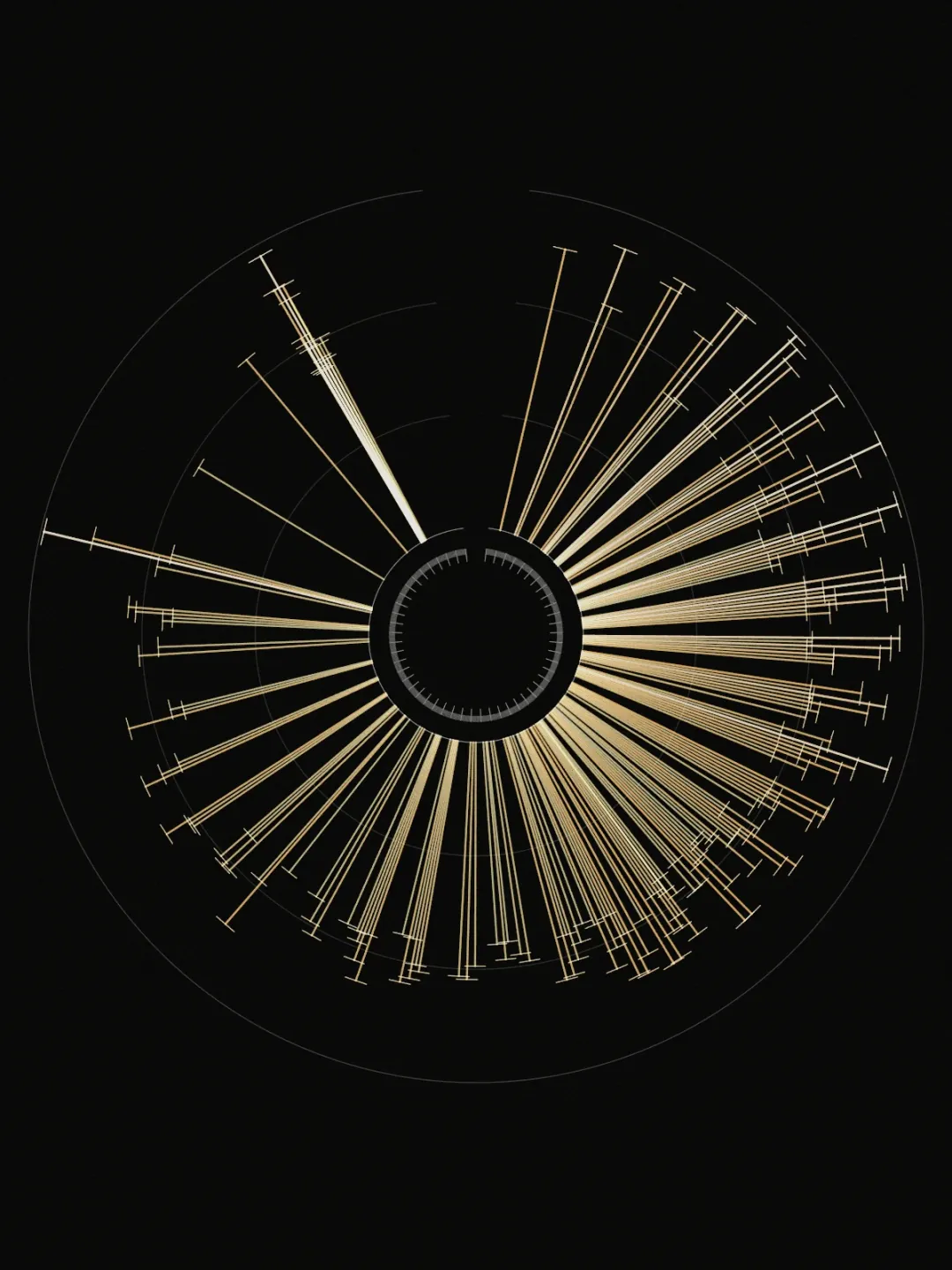
36 compounds on the outer ring, not drawn
Keys
← → round a ring↑ ↓ out and inEnter selecte the outer ringf fit to view+ − zoomEsc clearclick a node to select it
- Prostate cancer incidencecontested
- Birth weight
- Flow-mediated dilation
- Incidence of stroke
- Interleukin-6 concentration
- Serum creatine kinase activity
- Gastric cancer incidence
- Fasting blood glucose
- Glycated haemoglobin (HbA1c)
- Hip fracture incidence
- Non-vertebral fracture incidence
- Serum prostate-specific antigen
Show the remaining 4Show the first 8
02 · contested · 1 endpoint
Where the findings disagree
013 findings
Prostate cancer incidence
03 · findings
What lycopene moved, and by how much
- HR hazard ratio · RR risk ratio · MD mean difference · OR odds ratio. Brackets: the interval as reported.
- Dose studied: as its paper gave it.
- Evidence strength: computed from the study. How it is computed
- Industry funding: named on its row.
12 of 15 shown
- Prostate cancer incidencecontestedMoved: lowersEffect, as reportedHR0.46[0.23 to 0.95]Evidence: Moderatereplicated ×1Paper: PMID 412146502025
- Who
- Men aged 55-80 years at high cardiovascular risk from the PREDIMED trial; highest versus lowest quartile of cumulative dietary lycopene intake, fully adjusted model
- Dose studied
- not reported
Participants in the highest quartile of lycopene intake displayed a significant 54% lower risk of prostate cancer compared to the lowest quartile (HR: 0.46; 95% CI: 0.23–0.95, p-trend = 0.035) in the fully adjusted model (Table 2, Fig. 1).”
Quoted verbatim from Lycopene intake and prostate cancer risk in men at high cardiovascular risk: a prospective cohort study.cohortPermalink - Incidence of strokeMoved: lowersEffect, as reportedRR0.807[0.68 to 0.957]Evidence: ModeratePaper: PMID 248489402014
- Who
- Adults free of stroke at baseline in seven prospective cohort studies (four dietary lycopene, three circulating lycopene), highest versus lowest lycopene category, confounder-adjusted
- Dose studied
- not reported
Specifically, lycopene decreased stroke risk by 19.3% (RR = 0.807, 95% CI = 0.680–0.957), and no heterogeneity was observed (p = 0.234, I2 = 25.5%).”
Quoted verbatim from Dietary and circulating lycopene and stroke risk: a meta-analysis of prospective studies.meta-analysisPermalink - Flow-mediated dilationMoved: raisesEffect, as reportedMD1.36[0.2 to 2.51]Evidence: ModeratePaper: PMID 425881282026Industry funded
- Who
- Healthy adults; meta-analysis of four continuous-intake (at least 7 days) trials of lycopene-containing products versus control without or with very low lycopene
- Dose studied
- not reported
The results showed a significant increase in FMD in the lycopene group compared with the control group (MD = 1.36, 95% CI: 0.20, 2.51, p = 0.02), with low heterogeneity (I2 = 24%).”
Quoted verbatim from Effect of Intake of Lycopene-Containing Products on Vascular Endothelial Function in Healthy Adults: A Systematic Review with Meta-Analysis.meta-analysisPermalink - Interleukin-6 concentrationMoved: lowersEvidence: ModeratePaper: PMID 427390332026Industry funded
- Who
- Collegiate badminton players after high-intensity training; hyperbaric oxygen plus lycopene capsules versus hyperbaric oxygen plus placebo capsules (hyperbaric oxygen given to both arms); post-intervention timepoint
- Dose studied
- 15 mg lycopene daily (three 5 mg softgels with dinner)
Furthermore, at post, compared with the HBO group, the IL-6 levels was significantly reduced in the HBO+LYC group (p < 0.05) (Table S2).”
Quoted verbatim from Effects of Hyperbaric Oxygen Combined with Lycopene on Oxidative Stress and Inflammation in Collegiate Badminton Players After High-Intensity Training.RCT · 4 weeksPermalink - Serum creatine kinase activityMoved: lowersEvidence: ModeratePaper: PMID 427390332026Industry funded
- Who
- Collegiate badminton players after high-intensity training; hyperbaric oxygen plus lycopene capsules versus hyperbaric oxygen plus placebo capsules (hyperbaric oxygen given to both arms); post-intervention timepoint
- Dose studied
- 15 mg lycopene daily (three 5 mg softgels with dinner)
Furthermore, at post, compared with the HBO group, the CK levels were significantly reduced in the HBO+LYC group (p < 0.05) (Table S3).”
Quoted verbatim from Effects of Hyperbaric Oxygen Combined with Lycopene on Oxidative Stress and Inflammation in Collegiate Badminton Players After High-Intensity Training.RCT · 4 weeksPermalink - Birth weightMoved: raisesEvidence: ModeratePaper: PMID 294382872018
- Who
- 180 mother-infant pairs at delivery in a Midwestern US academic medical center; maternal serum trans-lycopene by HPLC, not a dosed exposure
- Dose studied
- not reported
Maternal trans-lycopene concentrations were positively associated with birth weight (p = 0.04), birth weight percentile ranking (p = 0.01), head circumference (p = 0.007), and birth length percentile ranking (p = 0.02).”
Quoted verbatim from Serum Lycopene Concentrations and Associations with Clinical Outcomes in a Cohort of Maternal-Infant Dyads.cohortPermalink - Gastric cancer incidenceMoved: lowersEffect, as reportedOR0.15[0.06 to 0.35]Evidence: Limitedreplicated ×1Paper: PMID 353453572022
- Who
- Vietnamese men, hospital-based case-control: 80 incident stomach cancer cases and 146 controls; dietary trans-lycopene intake by food frequency questionnaire, top vs bottom tertile
- Dose studied
- not reported
Both Trans-Lycopene and β-Cryptoxanthin intake and stomach cancer showed a significantly inverse association, tertile-3 versus tertile-1, (OR = 0.15, 95%CI: 0.06–0.35, p trend = 0.00) and (OR = 0.34, 95%CI: 0.14–0.79, p trend = 0.02, respectively).”
Quoted verbatim from Trans-Lycopene and β-Cryptoxanthin Intake and Stomach Cancer in Vietnamese Men: A Pilot Case-Control Study.case-controlPermalink - Gastric cancer incidenceMoved: lowersEffect, as reportedOR0.88[0.81 to 0.95]Evidence: Limitedreplicated ×1Paper: PMID 419781932026
- Who
- Hospital-based case-control study in Hanoi, Vietnam: 1182 incident gastric cancer cases and 2995 controls; dietary lycopene by food frequency questionnaire; whole-sample estimate per SD increment
- Dose studied
- not reported
Overall, there was a dose–response inverse association between lycopene intake and gastric cancer risk (ORper-SD increment = 0.88, 95% CI: 0.81–0.95; Ptrend = 0.002).”
Quoted verbatim from Dietary Lycopene Intake and Gastric Cancer Risk: Findings from a Case-Control Study.case-controlPermalink - Non-vertebral fracture incidenceMoved: lowersEvidence: Very limitedPaper: PMID 191381292009
- Who
- Framingham Osteoporosis Study men and women, mean age 75, dietary lycopene by food frequency questionnaire in tertiles, followed to 2003 for nonvertebral fracture; adjusted for sex, age, BMI, height, energy, calcium, vitamin D, activity, alcohol, smoking, multivitamin and estrogen use
- Dose studied
- not reported
Subjects with higher lycopene intake had lower risk of hip fracture (p =0.01) and nonvertebral fracture (p = 0.02).”
Quoted verbatim from Protective effect of total carotenoid and lycopene intake on the risk of hip fracture: a 17-year follow-up from the Framingham Osteoporosis Study.cohortPermalink - Prostate cancer incidencecontestedMoved: lowersEvidence: Very limitedreplicated ×1Paper: PMID 244632482014
- Who
- 49898 male health professionals followed 1986 to 2010; dietary lycopene from food frequency questionnaires
- Dose studied
- not reported
Higher lycopene intake was inversely associated with total prostate cancer and more strongly with lethal prostate cancer (top vs bottom quintile: HR = 0.72; 95% CI = 0.56 to 0.94; P(trend) = .04).”
Quoted verbatim from Dietary lycopene, angiogenesis, and prostate cancer: a prospective study in the prostate-specific antigen era.cohortPermalink - Hip fracture incidenceMoved: lowersEvidence: Very limitedPaper: PMID 191381292009
- Who
- Framingham Osteoporosis Study men and women, mean age 75, dietary lycopene by food frequency questionnaire in tertiles, followed to 2005; adjusted for sex, age, BMI, height, energy, calcium, vitamin D, activity, alcohol, smoking, multivitamin and estrogen use
- Dose studied
- not reported
Subjects with higher lycopene intake had lower risk of hip fracture (p =0.01) and nonvertebral fracture (p = 0.02).”
Quoted verbatim from Protective effect of total carotenoid and lycopene intake on the risk of hip fracture: a 17-year follow-up from the Framingham Osteoporosis Study.cohortPermalink - Glycated haemoglobin (HbA1c)Moved: lowersEvidence: Very limitedPaper: PMID 341803362021
- Who
- Patients with type 2 diabetes mellitus within a case-control study; dietary lycopene by food frequency questionnaire; association with intake level
- Dose studied
- not reported
Contrarily, HbA1c and FPG levels decreased significantly with the higher lycopene intake.”
Quoted verbatim from The role of lycopene for the amelioration of glycaemic status and peripheral antioxidant capacity among the Type II diabetes mellitus patients: a case-control study.case-controlPermalink
No row matches these filters.
No dose is advised.
- HR hazard ratio · RR risk ratio · MD mean difference · OR odds ratio. Brackets: the interval as reported.
- Dose studied: as its paper gave it.
- Evidence strength: computed from the study. How it is computed
- Industry funding: named on its row.
04 · identity
Structure
- Charge
- 0
- SMILES
- CC(C)=CCC/C(C)=C/C=C/C(C)=C/C=C/C(C)=C/C=C/C=C(C)/C=C/C=C(C)/C=C/C=C(C)CCC=C(C)C
What the reference databases state
- Reactions · Rhea
- 10reactions
10Reactions
06 · on the label · 2,127 products
Labelled products
Source: NIH DSLD · Ingredient: lycopene · 2,127 products · Declared amount per serving (the first 1,000 shown): 0.02–500 mg
815 labels of the first 1,000 shown state an amount185 do not
- 1MDProstateMD15 mgper 1 softgelDSLD:246774
- 1MDProstateMD15 mgper 1 softgelDSLD:274805
- 1MDVisionMD10 mgper 1 softgelDSLD:274806
- 1st PhormComplete Prostate AMLycopene, Lycopersicon esculentum, 5%15 mgper 2 vegan capsulesDSLD:242728
- 1st PhormM-Factor Hero1,000 µgper 3 capsulesDSLD:12881
- 1st PhormPrenatal Plus3 mgper 3 vegan capsulesDSLD:242935
- 21st CenturyDiabetic Support Formula300 µgper 3 tabletsDSLD:11189
- 21st CenturyLycopene 25 mg25 mgper 1 tabletDSLD:258458
- 21st CenturyMega Multi for Men350 µgper 2 tabletsDSLD:258471
- 21st CenturyOne Daily Men's Health600 µgper 1 tabletDSLD:11559
- 21st CenturySentry Senior300 µgper 1 tabletDSLD:207452
- 21st CenturySentry Senior300 µgper 1 tabletDSLD:233601
Show the remaining 2,115Show the first 12
Label record: NIH Office of Dietary Supplements · CC0
07 · the record
Sources
438
papers screened for lycopene
- admitted
- 17
- read and discarded
- 178
- not read yet
- 243
Sources cited
12 papers · 15 findings
5 admitted at screening, no finding yet