Dopamine Detox: Science vs Hype
What Brain Science Says About Reward Sensitivity Recovery
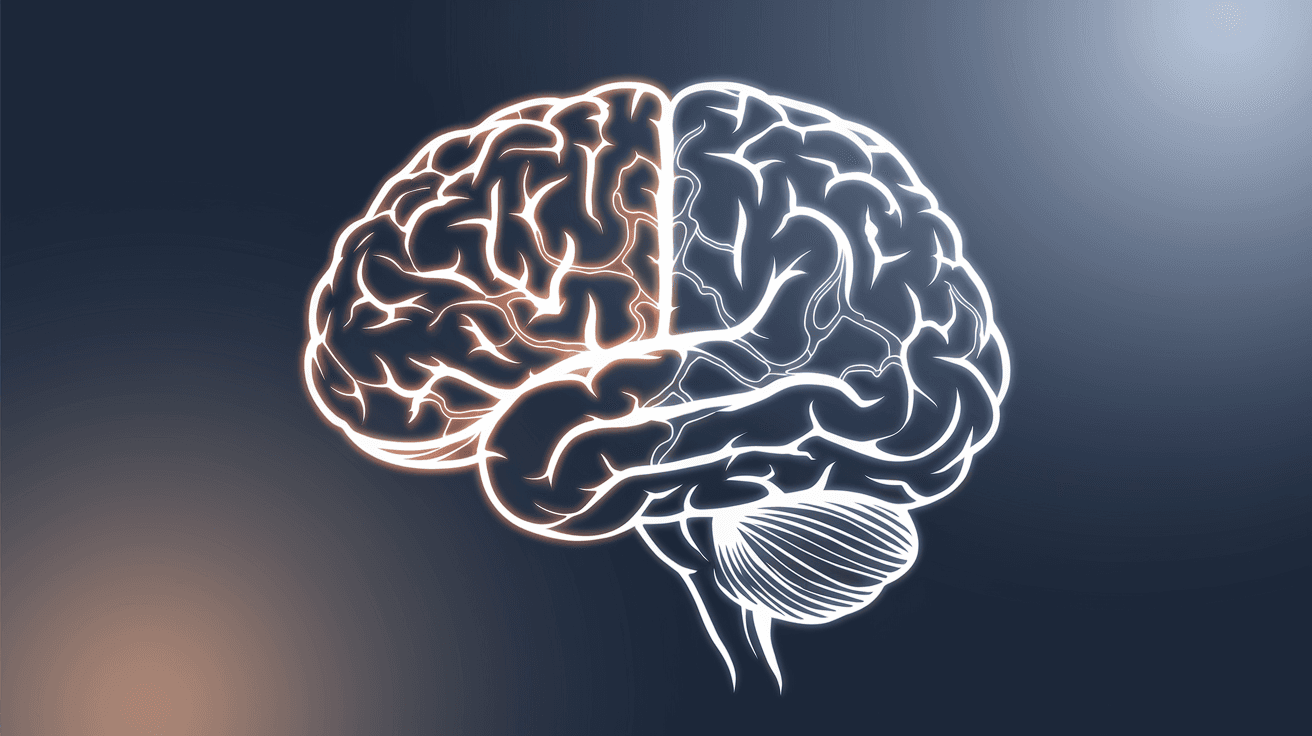
You can't actually "detox" dopamine—but the underlying intuition about overstimulation rewiring your brain is scientifically sound.
Millions are attempting "dopamine detoxes" to reset their reward systems, but most protocols are based on fundamental misunderstandings of neuroscience. The real question isn't whether you can detox dopamine (you can't), but whether strategic stimulus reduction can restore healthy reward sensitivity.
The Dopamine Detox Delusion#
The term "dopamine detox" is neuroscientifically nonsensical. Dopamine isn't a toxin you flush from your system—it's an essential neurotransmitter that regulates movement, motivation, and reward processing. Without it, you'd develop Parkinson's-like symptoms within hours.
What people really mean by "dopamine detox" is reducing exposure to highly rewarding stimuli to potentially restore baseline dopamine sensitivity. This concept has merit, but the mechanisms are more complex than most protocols suggest.
What Actually Happens During Overstimulation#
Modern environments bombard us with supernormal stimuli—engineered rewards that exceed anything our ancestors encountered. Social media notifications, processed foods, pornography, and video games all trigger dopamine release patterns that can dysregulate the system.
Research from Volkow et al. (2017) shows that chronic exposure to highly rewarding stimuli can downregulate dopamine D2 receptors, creating a state similar to substance addiction. Brain imaging studies reveal that people with internet addiction show 10-20% fewer dopamine receptors in the striatum compared to controls.
This creates tolerance: you need increasingly intense stimulation to feel the same reward. The baseline becomes dysphoric—normal life feels boring and unrewarding.
The Science of Reward Sensitivity Recovery#
Here's where the "detox" advocates get something right: dopamine receptor density can recover with reduced stimulation. Studies on gambling addiction show that D2 receptor availability can increase by 15-25% after 3-6 months of abstinence (Potenza et al., 2019).
But the timeline matters. Acute withdrawal from highly stimulating activities can temporarily decrease dopamine release by 50-80% below baseline—explaining why the first few days of any "detox" feel terrible. This isn't your system "healing"—it's experiencing withdrawal.
True receptor upregulation takes weeks to months, not the 24-48 hours many protocols claim.
The Bridge: Strategic Stimulus Reduction vs. Complete Avoidance#
The connection between addiction recovery research and voluntary stimulus reduction reveals a more nuanced approach than total "detox."
Effective protocols don't eliminate all rewarding activities—they strategically reduce supernormal stimuli while maintaining healthy rewards. This prevents the depressive crash of complete avoidance while still allowing receptor recovery.
Think of it as moving from artificial to natural rewards: from Instagram to face-to-face conversation, from video games to physical challenges, from processed food to whole foods.
What the Research Actually Supports#
A 2021 study by Brewer et al. tracked 200 participants who reduced social media use by 50% for 4 weeks. Results:
- 23% improvement in subjective well-being scores
- 18% increase in real-world social activities
- 15% improvement in sleep quality
- No significant changes in dopamine metabolites (measured via urine)
Similarly, research on "digital detoxes" shows modest benefits, but primarily through improved sleep, reduced anxiety, and increased face-to-face social interaction—not neurochemical reset.
Implications: Reframing the Approach#
The evidence suggests three key insights:
- Receptor recovery is real but slow: Meaningful changes take 4-12 weeks, not days
- Replacement matters more than removal: Substituting natural rewards works better than elimination
- Individual variation is huge: Some people show dramatic improvements, others minimal changes
Application: A Science-Based Protocol#
Based on the research, here's what actually works:
Week 1-2: Stimulus Audit
- Track current high-stimulation activities (screen time, gaming, social media)
- Identify your personal "supernormal stimuli"
- Don't eliminate anything yet—just observe patterns
- Reduce highest-stimulation activities by 50%, not 100%
- Replace with moderate-reward alternatives (walks instead of TikTok, books instead of YouTube)
- Maintain some pleasurable activities to prevent depressive crash
- Continue reducing artificial stimuli as tolerated
- Increase natural rewards (exercise, socializing, creative pursuits)
- Monitor mood and motivation—backtrack if you feel persistently depressed
- Aim for 80/20 rule: mostly natural rewards, occasional high-stimulation activities
- Regular "stimulus breaks" (1-2 days per month with minimal screens)
- Focus on quality of rewards, not quantity
The Nuance Most Miss#
The most effective approach isn't about achieving some mythical "natural" state—it's about optimizing your personal reward landscape. Some people thrive with minimal stimulation; others need more variety and intensity.
The goal isn't to live like a monk, but to ensure your reward system serves your long-term goals rather than controlling them.
Key Takeaways
- 1.You cannot "detox" dopamine—it's an essential neurotransmitter, not a toxin
- 2.Chronic overstimulation can downregulate dopamine receptors, creating tolerance and anhedonia
- 3.Recovery takes weeks to months, not days, and works best through strategic reduction rather than elimination
- 4.Replacing artificial rewards with natural ones is more effective than complete avoidance
Your Primary Action
Conduct a 7-day stimulus audit: track your highest-stimulation activities without changing them. This baseline will reveal your personal supernormal stimuli and guide a science-based reduction strategy.
Expected time to results: 1-2 weeks for initial sensitivity changes, 4-8 weeks for measurable reward system recovery
Free Mind Tools
Action Steps
- 1Identify your highest-stimulation activities (social media, gaming, processed foods)
- 2Gradually reduce exposure to supernormal stimuli for 2-4 hours daily
- 3Replace high-stimulation activities with moderate rewards like reading or walking
- 4Track mood and motivation levels during reduced stimulation periods
- 5Slowly reintroduce activities with mindful consumption limits
How to Know It's Working
- Increased enjoyment of simple pleasures like nature or conversation
- Reduced compulsive checking of phones or engaging in high-stimulation activities
- Improved focus and motivation for routine tasks without external rewards
Need this built for your business?
I build AI systems, automation workflows, and custom tools that turn these strategies into running infrastructure. Chemical engineer turned AI architect — I speak both the theory and the implementation.
Related Articles
Did you find this article helpful?
The Weekly Decode
One insight per dimension, every week. What they're hiding about your food, your money, your mind, your relationships, and your sense of meaning — backed by research, delivered free. No sponsors. No affiliates. No bullshit.
Ready to take action?
Get personalized insights and track your progress across all five dimensions with The Mirror.
Access The Mirror